Sleep Apnoea & Snoring
Sleep Apnoea & Snoring Better Sleep Through Better Breathing
At Suffolk Breathing Coach, I use functional techniques based on the Buteyko method to support people whose sleep is disrupted by disordered breathing. Whether you snore regularly, have been assessed for moderate sleep apnoea, or simply wake unrefreshed, breathing retraining can be a valuable tool alongside your existing care — helping you sleep more soundly and feel more alert during the day.
How breathing affects sleep
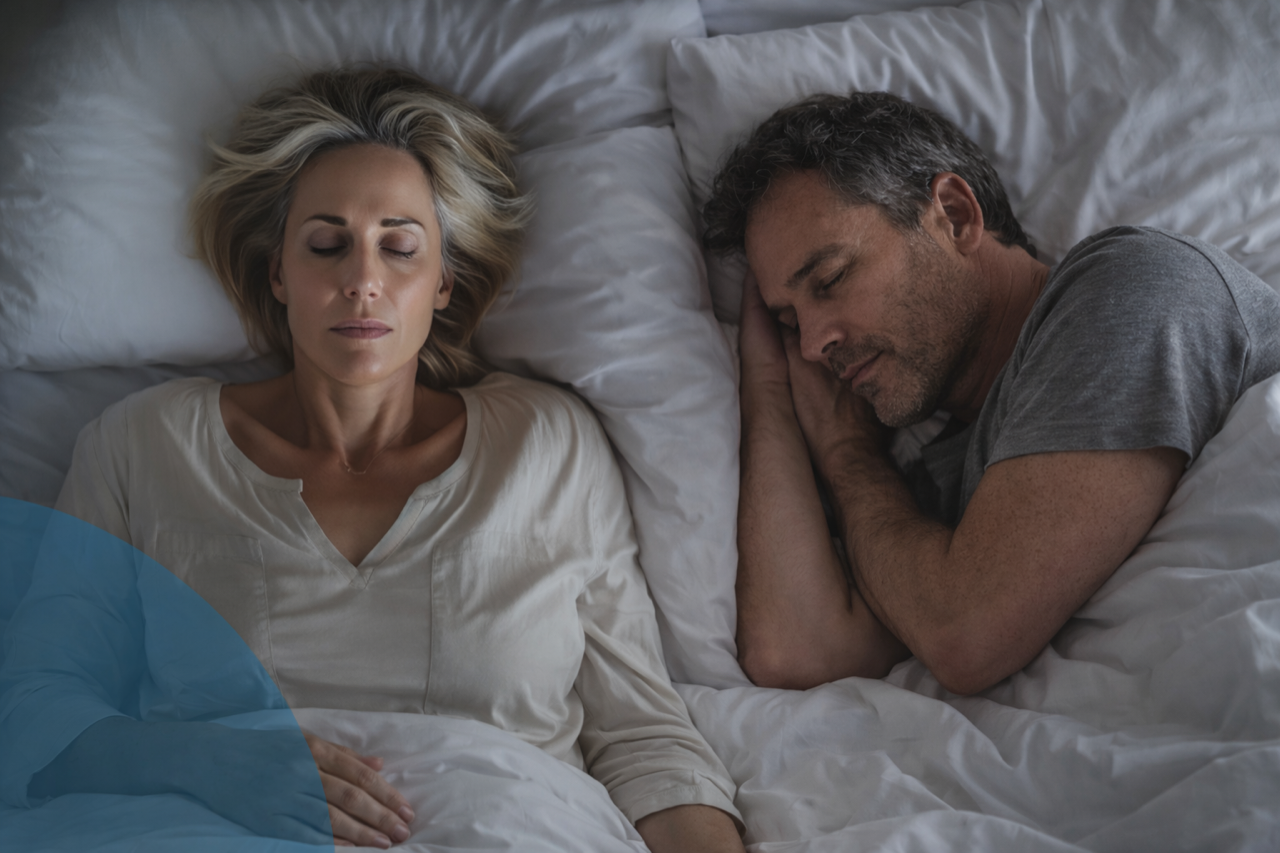
Most people who snore or experience sleep apnoea are mouth breathers — during the day as well as at night. Mouth breathing reduces airway muscle tone, allows the jaw and throat to relax in ways that restrict airflow, and creates the turbulence that causes snoring. In sleep apnoea, this progresses to partial or full airway collapse, interrupting sleep repeatedly through the night. The result is poor daytime energy, reduced concentration, difficulty regulating mood, and a persistent feeling of never being fully rested — even after a full night in bed.
How Buteyko helps
Nasal breathing, reducing breathing volume, and improving airway tone can significantly reduce night-time disturbance. The Buteyko method trains consistent nasal breathing as the default — day and night — which helps restore the muscle tone and airway stability that snoring and apnoea disrupt. Clients who practise consistently report better sleep quality, improved daytime energy, and greater mental clarity. For those with moderate sleep apnoea, this works best alongside awareness of sleep position and any existing advice from a healthcare provider.
Who this is suitable for
- People who snore regularly and want a natural, non-invasive approach to reduce it
- Those assessed with mild to moderate sleep apnoea who want to support their existing management
- Anyone waking unrefreshed, with poor daytime energy or concentration, who suspects breathing may be a factor
- People who notice they breathe through their mouth during the day or wake with a dry mouth
- Adults and children — mouth breathing and its effects can start young, and early retraining is beneficial
Who this is not suitable for
- Those with severe or untreated sleep apnoea who have not yet had a sleep assessment — please see your GP first
- Anyone looking for a quick fix — consistent daily practice is essential for results
- People unwilling to make small adjustments to sleep habits alongside the breathing exercises
- Those expecting breathing retraining to replace CPAP or other prescribed treatment without medical guidance